
Parent And Child Active Play

The Hidden Effects of Screen Time on Kids — and How to Reverse Them!

“The Hidden Effects of Screen Time”.

In today’s hyperconnected world, children are exposed to screens earlier than ever before. From educational apps and cartoons to gaming and social media, digital engagement has become a constant presence in their lives.
While technology offers convenience and opportunities for learning, excessive screen exposure has quietly reshaped how children think, feel, and behave. Recent studies in child development and neuroscience show that extended screen time impacts not only physical health but also emotional intelligence, creativity, and cognitive growth.
As parents and educators, understanding these hidden effects—and learning how to reverse them—is critical to raising balanced, curious, and healthy young minds.

1. The Science Behind Screen Time and the Developing Brain
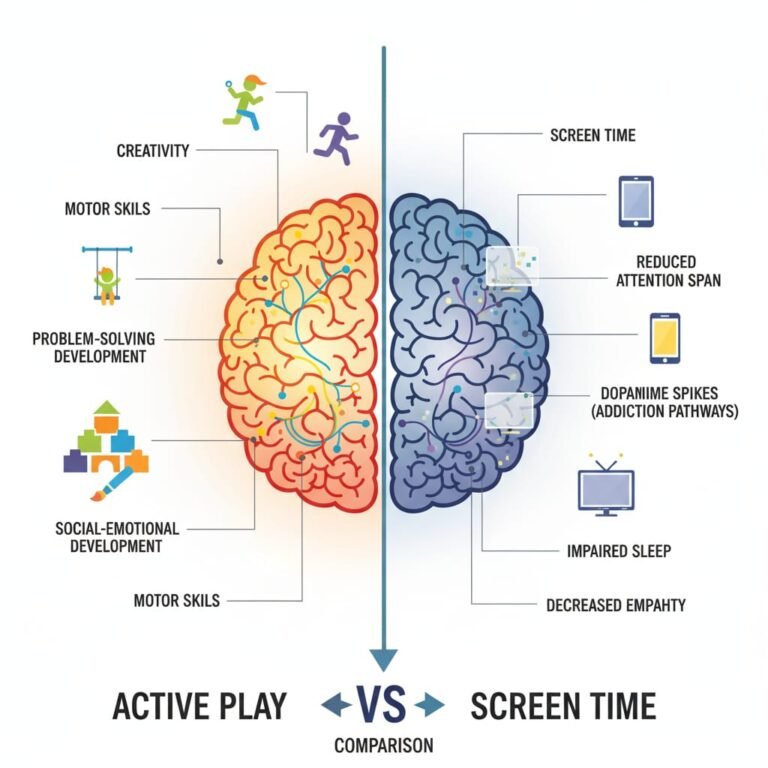
“Active play” vs. “Screen time”

1.1 Brain Wiring and Cognitive Overload

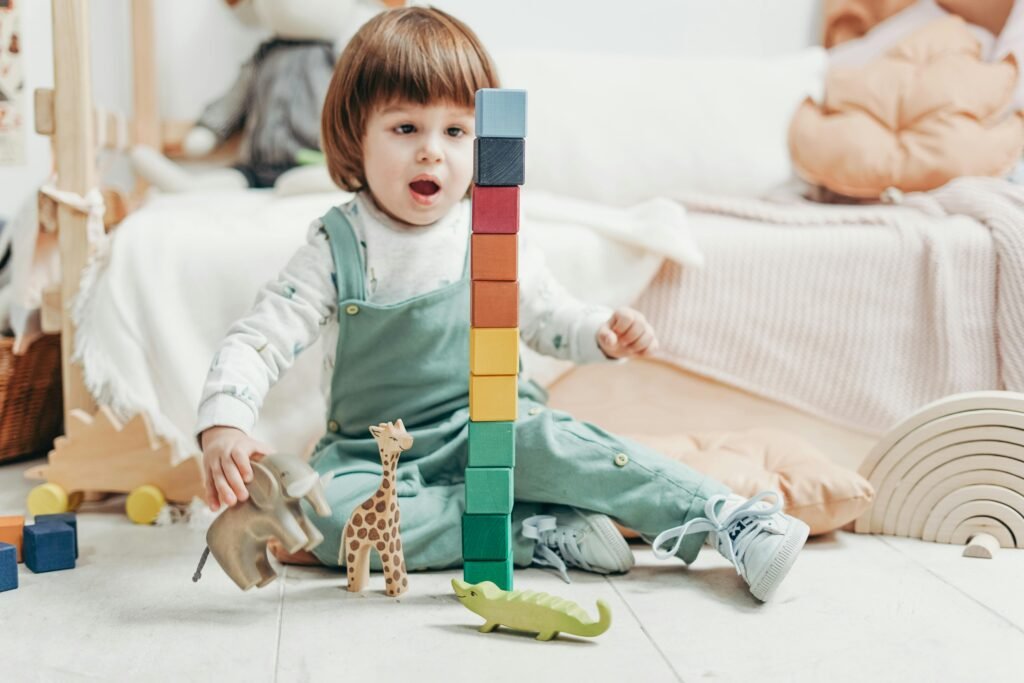
The first six years of life are when the brain’s neural connections form rapidly. During this period, hands-on play, face-to-face interaction, and physical exploration are vital for brain development.
When children spend too much time passively consuming digital content, the brain’s sensory integration process slows down. Instead of learning through touch, movement, and social cues, children become dependent on visual and auditory stimulation—limiting their ability to sustain attention and solve problems independently.

Research Insight:
A 2023 study from the American Academy of Pediatrics found that preschoolers who exceeded two hours of daily screen use showed measurable delays in language development and executive functioning compared to peers engaged in physical play.

2. Emotional and Behavioral Consequences
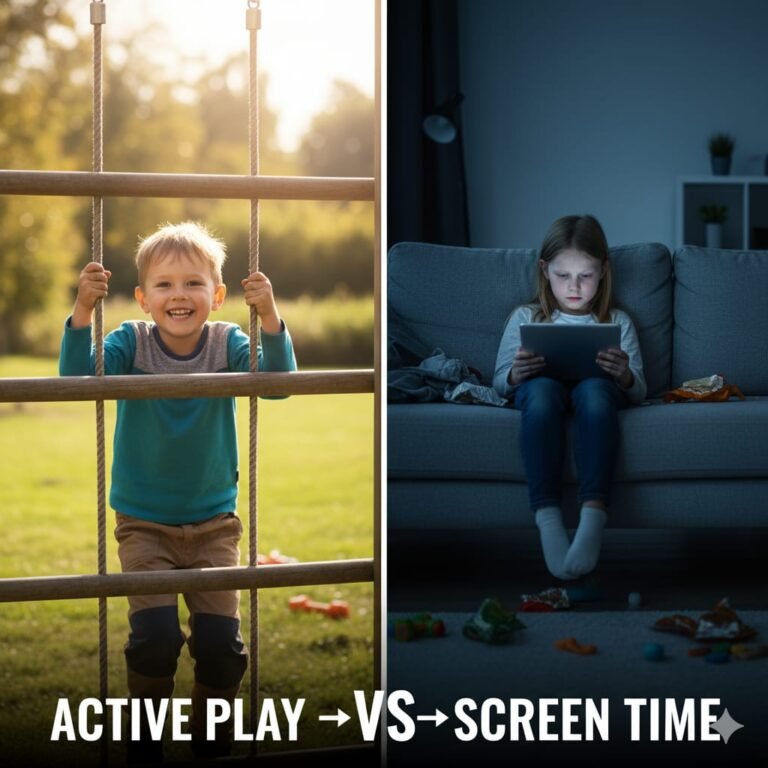
Emotional and Behavioral Consequences

2.1 Reduced Emotional Regulation

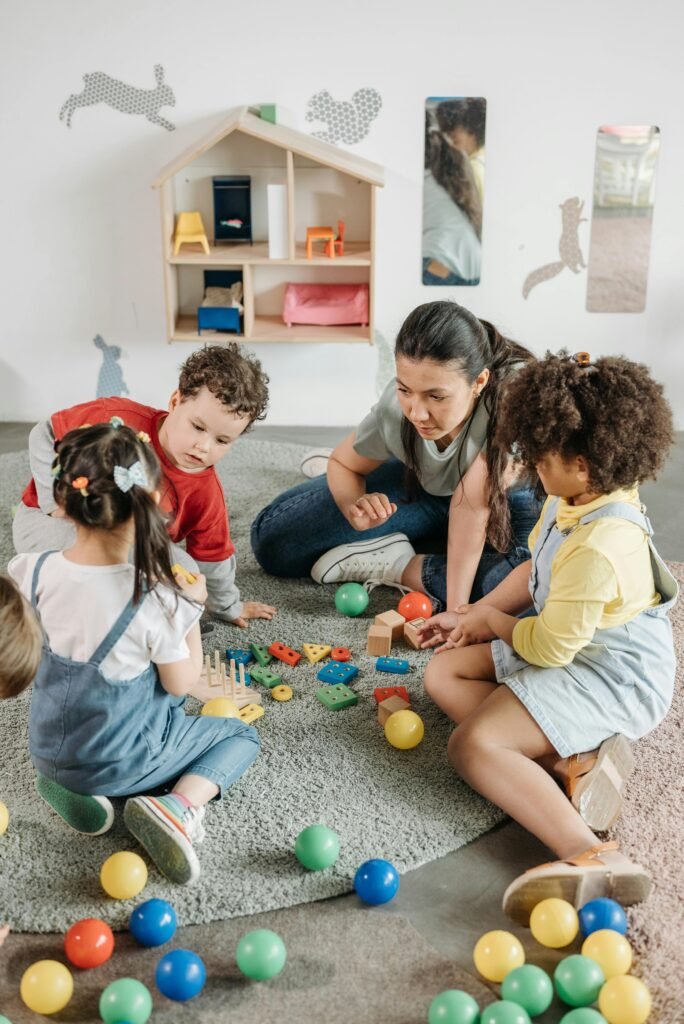
Children learn to regulate emotions through real-world experiences—playing, negotiating, sharing, and coping with disappointment. Excessive screen use short-circuits this process. Instant rewards from digital games or videos condition the brain to expect constant stimulation, making frustration or boredom harder to manage.

2.2 Attention and Impulse Control

Fast-paced digital content—like quick-cut YouTube videos or mobile games—trains the brain to expect rapid feedback. Over time, this pattern can lead to attention fragmentation and impulsive behaviors, similar to symptoms seen in mild ADHD.

Expert View:
Dr. Dimitri Christakis, a leading pediatric researcher, emphasizes that “what children watch and how they interact with media are as important as how much time they spend.” Quality and context matter as much as quantity.

3. Physical Health Implications
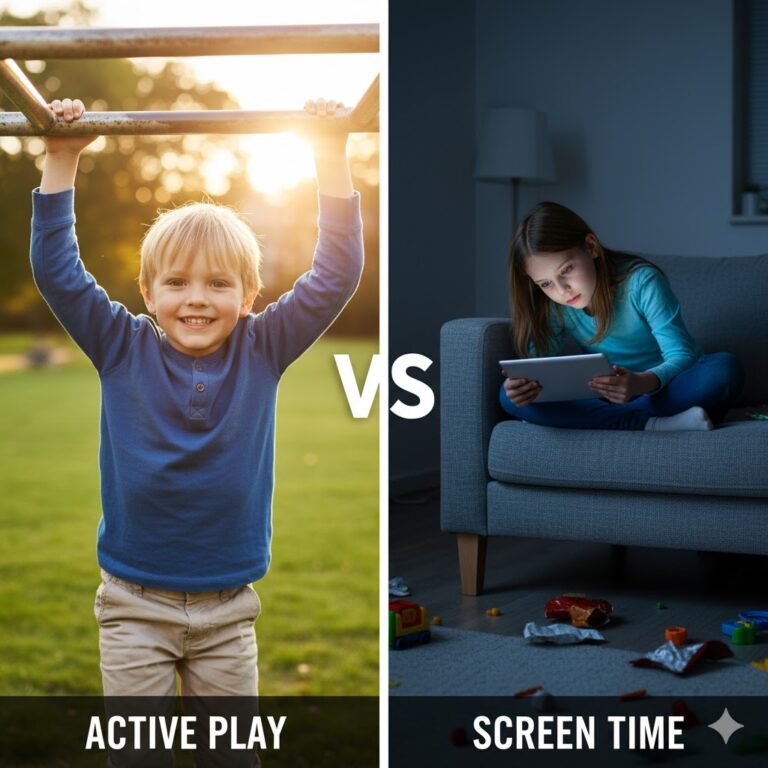
3.1 Vision and Posture Problems

Blue light exposure, prolonged focus, and poor posture during screen use contribute to eye strain, headaches, and early myopia. The World Health Organization (WHO) now recommends no screen time for children under two years old and limited, high-quality use for ages 2–5

3.2 Sleep Disruption

Screens delay melatonin release, making it harder for children to fall asleep and reach deep rest stages. Poor sleep impacts mood, attention, and memory—essential elements for school success and emotional well-being.

4. Social Skills and Relationship Gaps

Parent And Child Active Play

4.1 Decline in Empathy and Communication

Face-to-face play teaches children to interpret tone, expression, and body language. When digital interaction replaces human connection, empathy and perspective-taking skills diminish.
This can result in children struggling to form deep relationships or manage group dynamics later in school and social settings.

4.2 Family Detachment

Frequent digital use during family time reduces bonding moments. Children who regularly eat or relax with devices show lower emotional connection scores in developmental studies.

5. The Reversal Plan — How to Reduce and Replace Screen Time
5.1 Step 1: Create Digital Boundaries

  • Set screen-free zones: Keep devices out of bedrooms and dining areas.

  • Follow the 20-20-20 rule: For every 20 minutes of screen use, take a 20-second break to look at something 20 feet away.

  • Lead by example: Children imitate adult behavior; mindful screen use by parents encourages the same habit in kids.

5.2 Step 2: Replace Screens with Interactive Learning

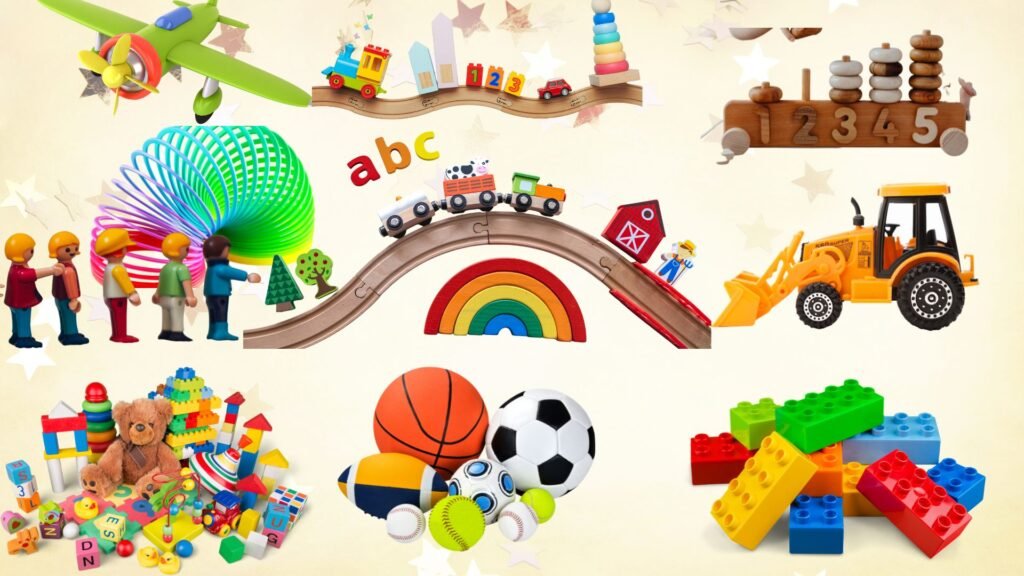
Replacing doesn’t mean restricting—it means redirecting. When parents offer rich, engaging alternatives, children naturally shift toward creative and constructive play.

** Here are a few toy-based replacements from SmartKidsShopping.com that encourage learning through play:

🧩 1. Building Toys for Logical Thinking and Creativity

Transform distraction into discovery! Encourage your child to build, experiment, and imagine using Magnetic Building Tiles.
These open-ended sets promote spatial reasoning, engineering concepts, and teamwork—key skills for lifelong learning.

Learn more in our in-depth guide:
👉 Building Toys: A Child Development Specialist’s Guide for Diamond Problem Solvers


🎨 2. Art and Craft Kits for Emotional Expression

For children who love colors and creativity, replace passive scrolling with active creation. Our Art & Craft Kits build focus and fine motor control while helping kids express feelings through design and color.


🔬 3. Science Kits that Spark Curiosity

Inspire your child to think like a scientist! STEM Experiment Kits encourage critical thinking and problem-solving through safe, hands-on experiments. Each activity stimulates curiosity and reinforces real-world learning.


🚗 4. Montessori Toys and Wooden Puzzles

Help your child slow down and concentrate with Montessori Wooden Puzzles.
These tactile toys teach patience, logic, and persistence—skills that balance the instant gratification children often get from screens.


Parent Tip: Rotate toy sets weekly to keep playtime fresh and challenging. This prevents boredom, boosts focus, and helps children rediscover creativity every time.

6. Expert FAQ — What Parents Often Ask

Q1: How much screen time is OK for kids?

According to the American Academy of Pediatrics (AAP):

  • Under 18 months — Avoid all screens except video calls.

  • Ages 2–5 — 1 hour per day of high-quality content, co-viewed with parents.

  • Ages 6+ — Create a consistent media plan and balance it with sleep, school, and physical activity.

Q2: What happens if a child watches too much TV or mobile?

Excessive use can cause sleep problems, delayed speech, irritability, and attention issues. It may also lead to poor posture and reduced outdoor activity, affecting both physical and emotional health.

Q3: Can educational apps replace real learning?

No. While quality apps can support learning, hands-on play, storytelling, and physical exploration are irreplaceable for developing motor, sensory, and social skills.

Q4: How to stop kids from using phones too much?

Start by setting small limits and offering exciting alternatives. Encourage playtime with toys like STEM kits or art projects that naturally reduce screen interest.

Q5: Is screen time harmful for brain development?

Yes—especially in early childhood. Studies link heavy screen exposure to delays in attention, memory, and problem-solving, as well as emotional regulation issues.

Q6: How to make screen time educational?

Choose interactive, age-appropriate content and participate with your child. Apps that involve creativity, movement, or problem-solving are far better than passive video watching.

7. Nurturing a Healthy Digital Balance
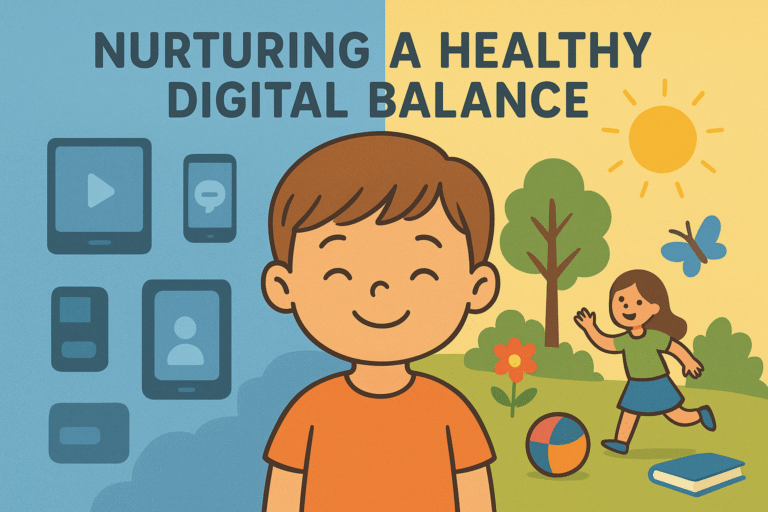
Nurturing a Healthy Digital Balance

7.1 Model Mindful Tech Habits

Parents who demonstrate balanced media use help children see screens as tools, not toys. Schedule family activities that don’t rely on technology—like reading together, cooking, or outdoor exploration.

7.2 Engage in Co-Viewing

When screen time is allowed, co-viewing or co-playing can turn passive media consumption into a shared learning experience. Ask questions like, “What do you think will happen next?” or “Why did that character make that choice?” to stimulate reflection.

7.3 Encourage Open Communication

Children should feel comfortable discussing what they watch or play online. Creating this openness builds trust and awareness about digital risks and media influence.

8. The Long-Term Benefits of Screen Time Reversal

Reducing screen time is not about deprivation—it’s about reintroducing balance and brain health. Within weeks of structured limits and hands-on activities, parents often notice:

  • Improved sleep patterns 😴

  • Better attention span 🧠

  • More creativity and independent thinking 🎨

  • Enhanced social and emotional connection 💬

  • Greater overall happiness and engagement 🌈

The earlier this balance begins, the stronger the foundation for lifelong learning and resilience.

9. Ready to Help Your Child Thrive Without Screens?

It’s time to turn awareness into action.
Every moment spent away from screens is a chance for your child to build, explore, and imagine. Whether through STEM, art, or Montessori play, each toy you choose is a step toward healthier development.

👉 Shop our Screen-Free Learning Collection
🛒 Explore SmartKidsShopping.com — Toys That Build Brains, Not Screens!


Internal Learning Resource

Want to dive deeper into how play builds powerful problem-solving skills?
📖 Read next: Building Toys: A Child Development Specialist’s Guide for Diamond Problem Solvers

10. Expert Summary: A Holistic Approach

Key Takeaway:
Technology is not the enemy—uncontrolled use is. The real challenge lies in helping children use digital tools purposefully while keeping real-world exploration at the core of learning.

When we replace passive screen time with meaningful play, creativity, and family interaction, we don’t just protect childhood—we enrich it.

As child development specialists agree, the goal is not to remove technology, but to reclaim childhood through mindful, balanced engagement.
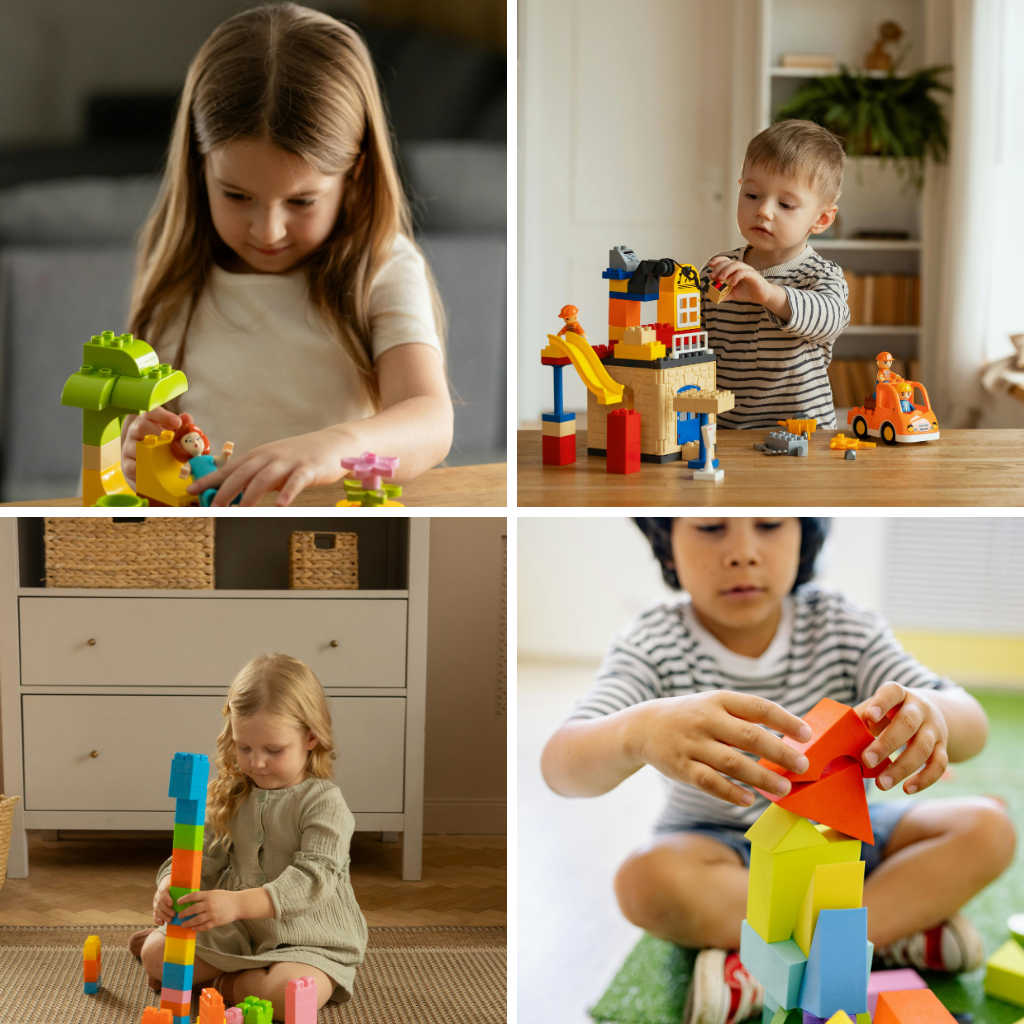
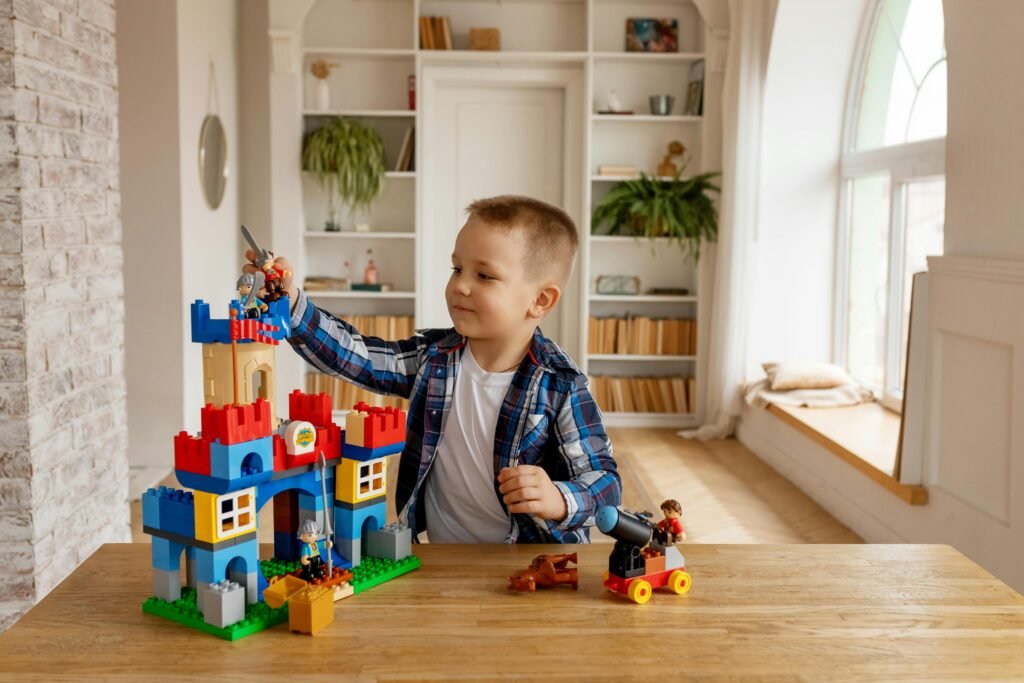
Building Toys: A Child Development Specialist’s Guide for Diamond Problem Solvers

Why Building Toys Are More Than Just Fun

Building toys have been a childhood favorite for generations — from colorful wooden blocks to magnetic tiles and LEGO® sets. But behind the fun lies a powerful learning tool.
According to child development specialists, building toys help develop memory, creativity, and problem-solving skills — essential qualities that shape strong, confident learners.

Parents often ask: “Can playtime really make my child smarter?”
The answer is yes. Building toys encourage planning, experimentation, and creative thinking. These skills help kids become what experts call Diamond Problem Solvers — children who shine under pressure, adapt quickly, and love challenges.

The Science Behind Building Toys and Child Development

How Hands-On Play Shapes the Brain

Children learn best through doing. When they build, they use both sides of their brain — the right side for imagination and the left side for logic.
This combination strengthens neural pathways that control focus, reasoning, and memory.
Studies show that building toys help children develop executive functions — skills that support planning, problem-solving, and self-control.

The Role of Building Toys in Early Learning

From a child development specialist’s point of view, the early years are crucial for brain development.
Simple activities like stacking blocks, connecting tiles, or designing towers teach children balance, patience, and cause-and-effect.
Kids who play with learning toys regularly tend to have:

  • Stronger memory and focus
  • Better hand-eye coordination
  • Improved creativity and imagination
  • Higher spatial awareness

Boosting Memory and Focus Through Building Toys

How Building Encourages Sequential Thinking

When children follow steps to build something, they strengthen their short-term memory.
They must remember which pieces go where, what they’ve already done, and what comes next.
Each rebuild reinforces memory patterns and focus — just like mental exercise for young minds.

Repetition and Imagination as Memory Builders

The beauty of building toys is that kids can rebuild endlessly, each time improving their design.
This repetition builds both memory and creativity.
Encourage your child to:

  • Try rebuilding in a new way
  • Describe what they’re creating
  • Predict what might happen next

These playful habits turn simple toy time into brain training.

👉 Explore our Learning Toys Collection to find creative sets that boost focus and imagination.

Recommended Building Toys for Every Age Group

Toddlers (1–3 years):

  • Large soft blocks and stacking cups

  • Chunky wooden bricks for grasping and balancing

  • Simple interlocking tiles to build towers

Preschoolers (3–5 years):

  • Magnetic building sets like PicassoTiles

  • Colorful connector toys to encourage creativity

  • Beginner LEGO® kits to teach design and patience

Early School Age (6–9 years):

  • STEM gear sets and architecture toys

  • Puzzles and logic-based construction kits

  • Basic robotics kits to introduce mechanical thinking

Older Kids (10+ years):

  • Advanced engineering and robotics sets

  • Creative building challenges or online competitions

  • Coding-based construction kits for problem-solving growth

(Tip: Mix traditional blocks with modern STEM sets to balance creativity and critical thinking.)

Tips for Parents – Choosing the Right Building Toys

Here’s what experts suggest when selecting the best toys for your child:

  • Age-Appropriate Design: Choose toys that match your child’s ability level.

  • Open-Ended Play: Select toys that allow creativity rather than fixed results.

  • Material & Safety: Always look for BPA-free, non-toxic, durable materials.

  • Educational Value: Pick toys that encourage experimentation and curiosity.

  • Storage & Portability: Easy-to-store and carry sets help maintain interest and reduce clutter.

👉 See our Educational Toys Collection for safe, developmentally rich options.

Conclusion – Raising Future Diamond Problem Solvers

Building toys do more than entertain — they shape the foundation of strong minds and resilient hearts.
Through play, children learn to think critically, stay focused, and bounce back from failure — all while having fun.

Every block, every bridge, every creative idea built today is preparing your child for tomorrow’s challenges.
So next time your child builds a tower, remember — you’re not just raising a builder, you’re raising a Diamond Problem Solver.

👉 Discover our full range of Building Toys for Kids to inspire the next generation of thinkers.

Wooden Kitchen Play Set for Toddlers – Pretend Cutting & Cooking Toy Review

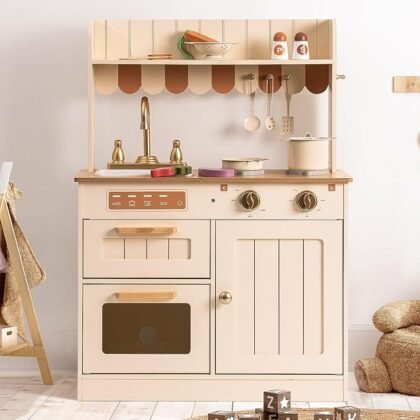
Parents today are searching for toys that are not only entertaining but also educational, safe, and long-lasting. The Wooden Kitchen Play Set for Toddlers delivers on all these expectations. Designed to spark creativity and hands-on learning, this set combines the joy of pretend play with the durability and eco-friendliness of wood.

In this detailed review, we’ll explore what this play set includes, its benefits for children, reasons parents should choose it, and how it compares to other options.


⭐ What is the Wooden Kitchen Play Set?

This kitchen toy is a pretend play cooking set made of sturdy wood, designed especially for toddlers and preschoolers. It comes with:

  • A mini stove and sink setup for realistic cooking play.
  • Wooden utensils, pots, and pans that resemble real kitchen tools.
  • A collection of pretend food items (like veggies, eggs, and bread) that can be “cut” using safe wooden knives.
  • A compact design that doesn’t take up too much space, making it suitable for small playrooms or apartments.

Unlike plastic play kitchens, the wooden construction gives this toy a premium feel and ensures it lasts for years, even with daily use.

🎯 Why Should Parents Buy It?

  1. Durable and Sustainable
    Wooden toys have a timeless charm and are much more durable compared to plastic alternatives. This play set is made from eco-friendly, non-toxic wood, making it a safer and greener choice for your home.
  2. Encourages Independent and Group Play
    Kids can play alone, exploring cooking skills, or share the fun with siblings and friends by role-playing as chefs and customers.
  3. Educational Value
    This kitchen set goes beyond entertainment—it helps children learn everyday skills like cutting, cooking, serving, and cleaning up, all in a playful way.

👉 Check Price on Amazon

🧠 Benefits for Children

  • Fine Motor Skills – Using knives to “cut” vegetables helps develop precision and hand-eye coordination.
  • Problem-Solving Skills – Deciding what to cook, how to serve, and how to organize the kitchen encourages critical thinking.
  • Imaginative Play – Pretend cooking sparks creativity, as kids mimic real-life kitchen routines.
  • Social Development – When playing with siblings or friends, kids learn teamwork, communication, and sharing.
  • Healthy Habits Awareness – Pretend play with veggies and healthy foods introduces children to nutritious eating in a fun way.

🌱 Safety and Sustainability

Safety is always a top priority for parents, and this wooden play kitchen is designed with that in mind. It is built from smooth, polished, non-toxic wood, so there are no sharp edges or harmful paints. Unlike many plastic toys, wood is biodegradable, making it a more eco-friendly choice for conscious families.

🎁 Why It’s a Great Gift Idea

Looking for a birthday present, Christmas gift, or educational toy? This kitchen play set makes a wonderful choice. It’s gender-neutral, encourages learning, and is something children can enjoy for years rather than weeks.

It’s also compact enough to fit in smaller play spaces while still offering plenty of play opportunities, making it an ideal gift for modern families.

👉 Check Price on Amazon

👍 Pros and Cons

✅ Pros

  1. Made of durable, eco-friendly wood.
  2. Encourages creativity, teamwork, and healthy eating habits.
  3. Cutting food pieces add interactive, hands-on fun.
  4. Compact design suitable for smaller spaces.

❌ Cons

  1. Wooden pieces are heavier than plastic, so supervision is needed for very young children.
  2. Fewer sound/light effects compared to electronic plastic play kitchens.
  3. Slightly more expensive than plastic alternatives.

🔍 How It Compares to Other Kitchen Play Sets

Compared to plastic cooking toys, this wooden set stands out because of its durability, eco-friendliness, and realistic cutting function. While it may not have flashing lights or sizzling sounds, it promotes calmer, more thoughtful play and is built to last much longer.

Families who prefer minimalist, Montessori-inspired toys will especially appreciate this play set over flashy, battery-powered alternatives.

👉 Check Price on Amazon

❓ FAQ – Wooden Kitchen Play Set

Q1: Is this toy safe for toddlers?

Yes, it’s made from non-toxic, BPA-free, eco-friendly wood with smooth edges for safe play.

 It’s ideal for toddlers and preschoolers (ages 3–6), though older kids may also enjoy it.

 Yes! The wooden food items are joined with Velcro, so kids can “slice” them with the toy knives for a realistic cutting experience.

 No, this play set is completely manual, which means no batteries, no noise, and no extra cost.

 Absolutely. It teaches fine motor skills, social interaction, problem-solving, and healthy eating habits in a fun, hands-on way.

🎯 Final Verdict

The Wooden Kitchen Play Set for Toddlers is more than just a toy—it’s a tool for learning, bonding, and creativity. With safe, eco-friendly materials and a focus on hands-on pretend play, it offers children a chance to explore cooking in a fun and educational way.

For parents looking for a durable, Montessori-inspired toy that encourages imagination and healthy habits, this wooden kitchen set is an excellent investment.

👉 Check Price on Amazon